01
Ground
Start with insulation below.
The ground pulls heat away from your body. A sleeping pad, cot pad, or insulated mattress creates the first barrier between you and cold surfaces.
A reliable outdoor sleep setup is more than a sleeping bag. It is a balanced system of shelter, insulation, comfort, ventilation, and packability. This guide helps you choose the right combination for car camping, trail weekends, family trips, and cool-weather nights under open sky.
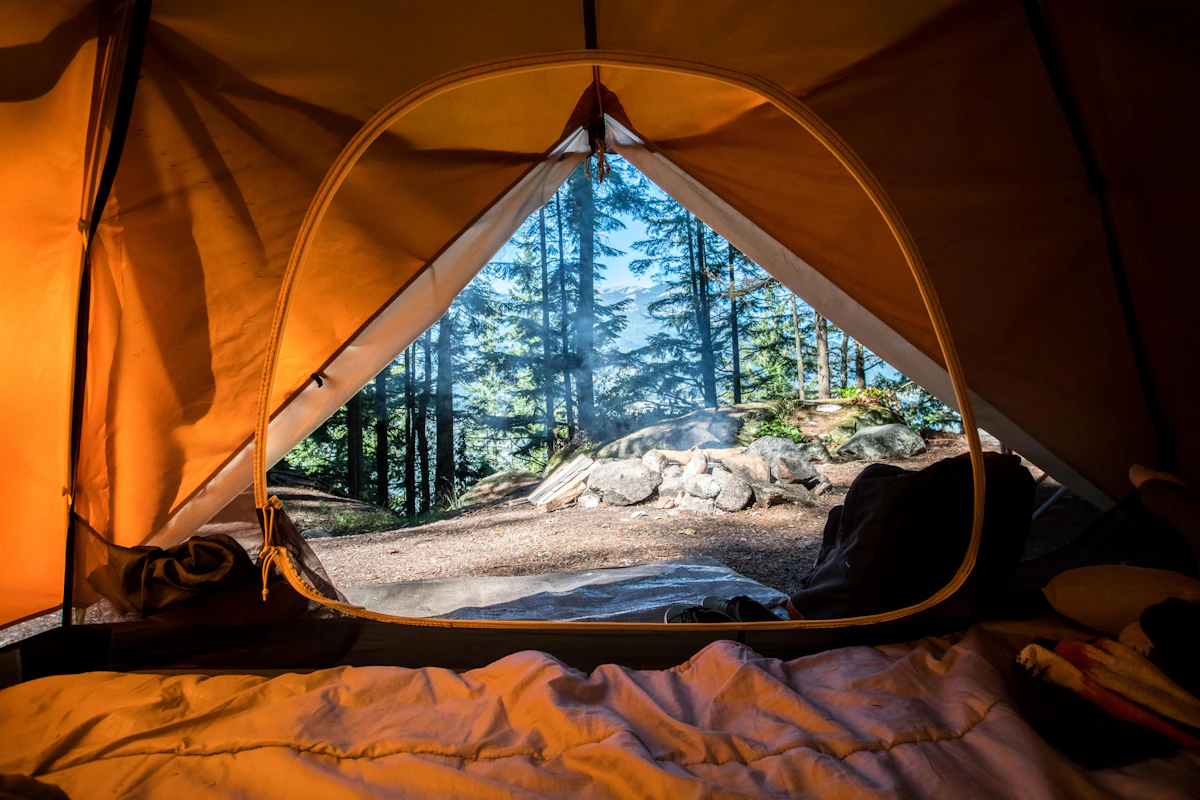
A strong camp sleep system works like an outdoor clothing system. Each part has a specific job, and the best setup is the one that matches temperature, ground conditions, shelter style, and how much space you can carry.
The ground pulls heat away from your body. A sleeping pad, cot pad, or insulated mattress creates the first barrier between you and cold surfaces.
Choose a sleeping bag or quilt based on the lowest expected temperature, then add a liner when you want extra comfort or easier cleaning.
A tent, tarp, or sleep shelter should reduce wind exposure while still allowing ventilation to help manage condensation.
A pillow, dry sleepwear, and simple nighttime organization help you recover better and wake up ready for the next trail day.
Many campers focus first on the sleeping bag, but nighttime comfort often depends on what sits underneath. Start with ground insulation, then add the warmth layer, then refine comfort details for your style of camping.
Pick a pad that balances warmth, thickness, packed size, and stability. For cooler nights, prioritize insulation over minimal weight.
Choose a temperature range with a margin of comfort. Mummy bags seal heat well, while quilts can feel roomier in mild weather.
A liner adds softness, helps keep your bag cleaner, and can improve warmth. Dry base layers make a major difference at night.
Keep a headlamp, water, warm socks, and small essentials close so you do not disrupt your setup once temperatures drop.
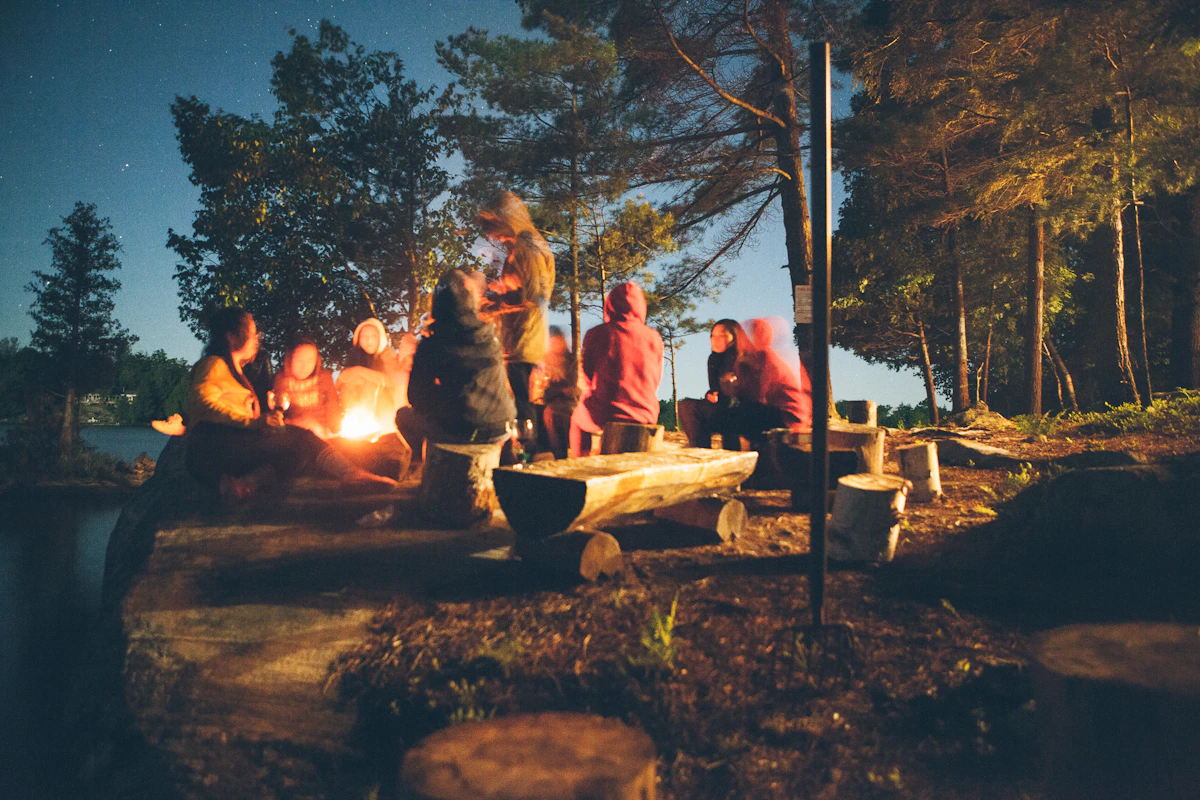
The most dependable warmth comes from combining insulated ground support with an upper layer that suits the forecast.
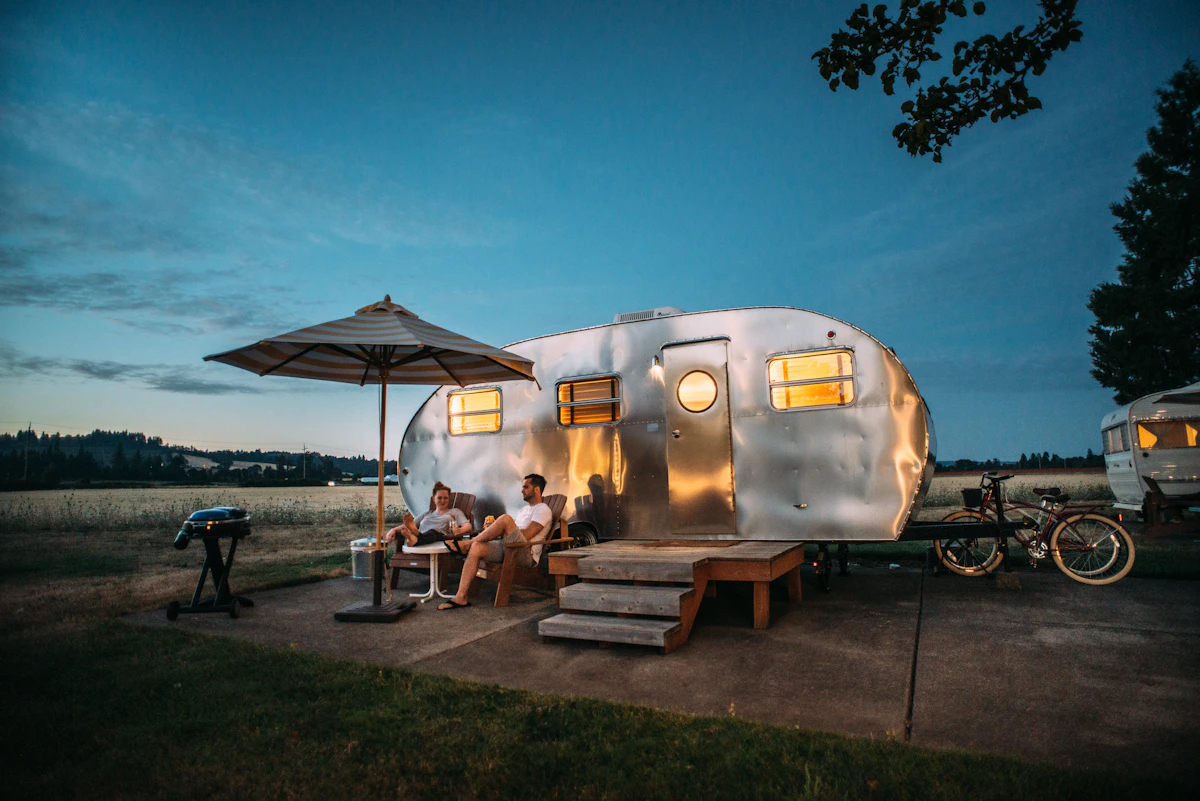
Give your pad time to expand, air out the sleep bag, and organize dry layers before evening temperatures fall.
A complete sleep kit is practical, compact, and easy to repeat. These details help reduce nighttime friction and make your camp feel calmer after a long day outside.
Store bags, quilts, liners, and sleepwear in a dry bag or sheltered corner until you are ready to use them.
Open vents when possible and avoid sealing the shelter completely unless weather requires it.
Roomier bags feel relaxed but can be harder to warm. Narrower shapes hold heat more efficiently.
Car camping allows plush comfort. Trail setups need tighter packing, lower weight, and faster setup.
Temperature ratings are helpful, but real comfort also depends on wind, humidity, sleepwear, ground temperature, shelter ventilation, and personal warmth. Use the forecast as a starting point, then add a margin of safety.
Use a breathable quilt, light liner, and well-ventilated shelter. Keep bug protection in mind without trapping unnecessary heat.
Pair an insulated pad with a suitable bag, dry socks, and a clean base layer. Vent gently to manage condensation.
Use dry storage, raise gear away from wet ground, and avoid bringing damp clothing into the sleeping bag whenever possible.
Before leaving for camp, review the full system instead of checking only one item. The right combination will help you stay warm, dry, organized, and rested.
Plan around the coldest expected hour, not the daytime temperature or afternoon arrival conditions.
Test inflation, valve function, thickness, and packed size before the trip.
Keep sleep layers separate from cookware, wet clothing, and rain-exposed gear.
Keep a light, water, warm layer, and footwear within easy reach before going to sleep.
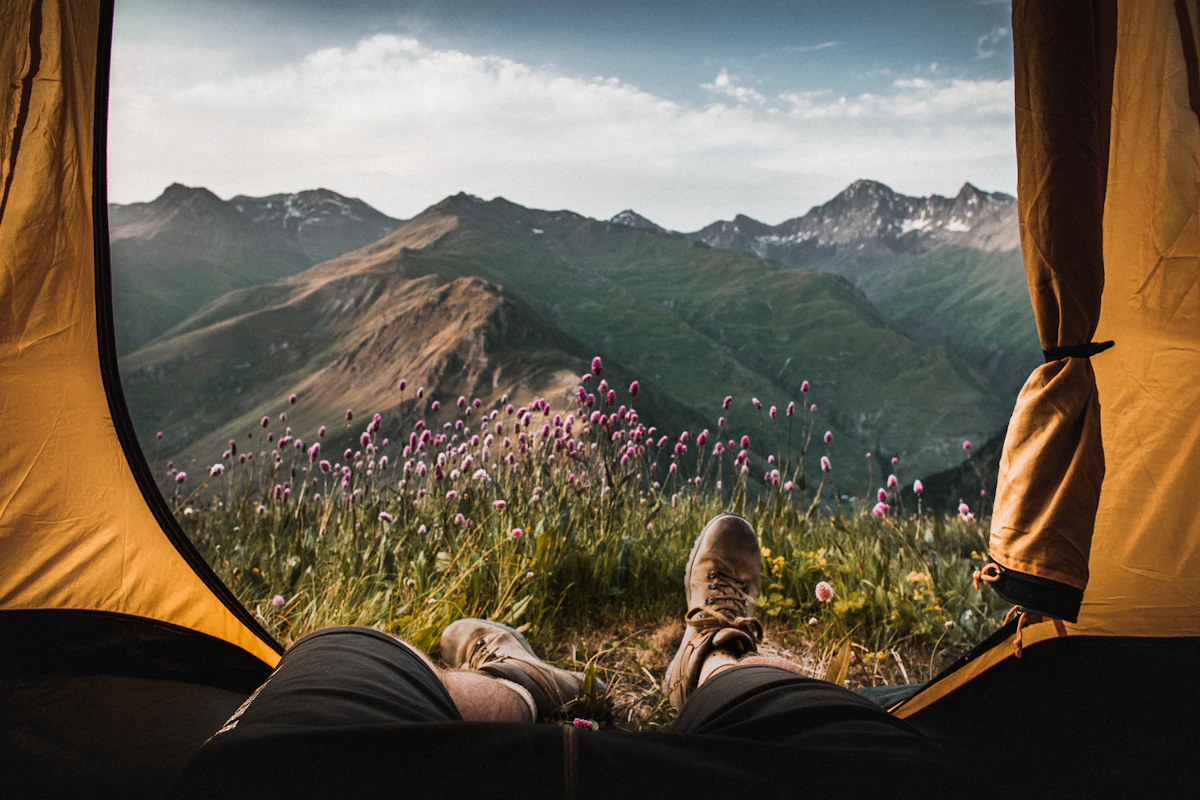
Build the bed, dry the layers, and organize the tent before temperature and visibility drop.
Use these answers as a practical starting point when comparing pads, bags, quilts, liners, shelters, and camp comfort accessories.
Ground insulation is often the most overlooked part. Even a warm sleeping bag can feel cold if the pad beneath you does not reduce heat loss to the ground.
A sleeping bag offers more enclosed warmth and is useful for cooler conditions. A quilt can feel lighter and roomier in mild weather, especially when paired with a reliable sleeping pad.
Keep shelter vents open when conditions allow, avoid pressing sleep gear against tent walls, and store damp clothing away from your sleeping bag or quilt.
A liner is not always required, but it can add comfort, help keep your sleeping bag cleaner, and provide a small warmth boost on cooler nights.
Use dry storage for your bag, quilt, liner, sleepwear, and pillow. Keep these items protected until the shelter is set up and the inside space is ready.
Whether you are preparing for a family campsite, a compact weekend kit, or a more capable cool-weather setup, Trailora helps you think through comfort, warmth, shelter, and pack organization with confidence.
