Car Camping
Prioritize interior height, wider doors, stronger floors, storage pockets, and comfort for longer stays.
A great tent balances protection, packed size, livable space, ventilation, and easy setup. This Trailora guide helps you compare everyday camping tents, compact shelters, all-terrain setups, and weather-ready designs before your next outdoor stay.

The best tent is not always the largest or the lightest. Choose around how you travel, where you sleep, how much gear stays inside, and how often weather changes overnight.
Prioritize interior height, wider doors, stronger floors, storage pockets, and comfort for longer stays.
Look for lower packed weight, compact pole systems, quick ventilation, and a footprint that fits smaller sites.
Choose extra standing room, divided sleeping zones, simple entry points, and enough space for bags and shoes.
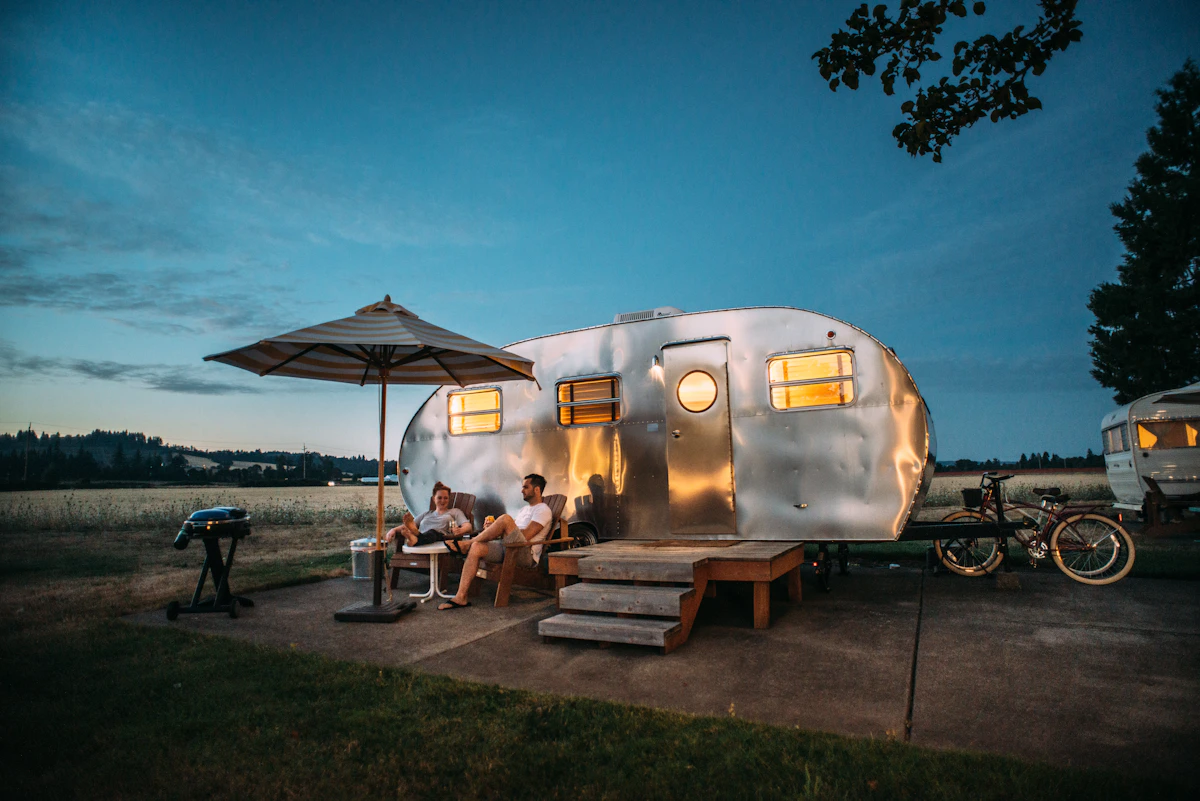
Different tent builds solve different outdoor problems. Use these core styles to narrow your choice before comparing size, fabric, pole design, and packed dimensions.
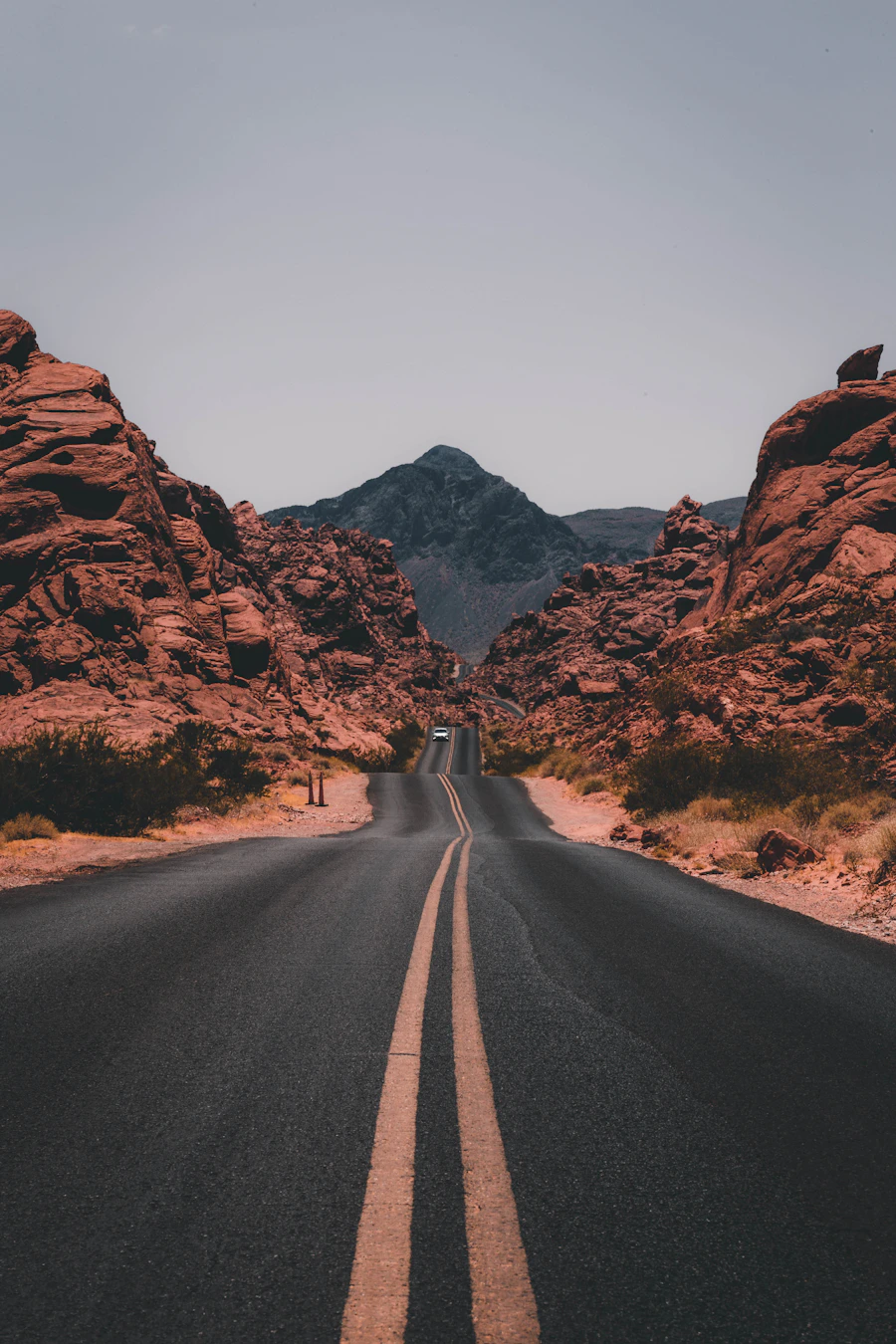
A reliable choice for weekend camping, casual trips, and easy setup with balanced headroom and weather coverage.

Built for lighter carry, smaller packed size, and stronger performance when every inch of pack space matters.
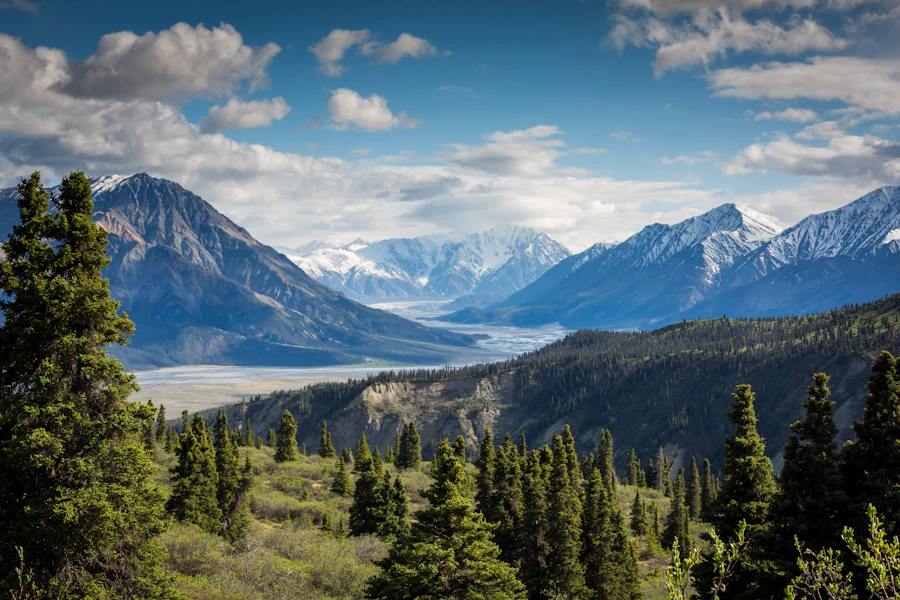
Designed for more livable space, taller walls, and easier movement during family trips or longer outdoor stays.

A shelter should handle shifting wind, damp mornings, warm afternoons, and sudden rain. Before choosing a tent, review the rainfly shape, seam protection, floor height, airflow, and how securely the tent anchors to the ground.
A careful setup can improve comfort, reduce moisture issues, and help your shelter perform the way it was designed.
Choose level ground with natural drainage. Avoid low spots where water may collect after rain.
Position the main door away from strong wind and toward the easiest path to your cooking or seating area.
Tension the tent evenly before adding guylines. A balanced pitch improves shape and rainfly clearance.
Open roof vents and mesh panels when conditions allow to reduce overnight condensation.
A tent should fit the people, place, and packing style behind the trip. Use this checklist to make the final decision with more confidence.

Use these answers as a practical reference when comparing camping tents, rain coverage, size, packing, and setup details.
Choose by sleeping capacity first, then add room for gear and comfort. A two-person tent can work for two minimal campers, but sizing up often feels better for car camping, family trips, pets, or bulky equipment.
A 3-season tent is the most versatile choice for many spring, summer, and fall trips. It is designed for ventilation, moderate rain protection, and general campsite comfort, but it is not intended for heavy winter conditions.
Ventilation helps reduce condensation inside the tent. Mesh panels, roof vents, and proper rainfly spacing allow moisture to escape while keeping the sleeping area more comfortable.
A footprint or groundsheet can help protect the tent floor from abrasion, moisture, and rough campsite surfaces. Make sure it fits under the tent floor and does not extend beyond the edges where it can collect rain.
Clear pole connections, color-coded clips, freestanding structure, simple rainfly attachment, and intuitive staking points all make setup faster and less stressful, especially at night or in changing weather.
Trailora support can help with camping tent questions, outdoor gear guidance, order details, delivery timing, returns, exchanges, and payment support. For the best help, include the product name, intended trip type, and any sizing or weather concerns.
