01
Portable Stoves
Match the stove to the meal plan.
Choose a compact single burner for coffee and quick meals, or a two-burner setup when you need stable heat for family meals and larger cookware.
A practical guide for choosing portable stoves, cookware, coolers, water storage, folding tables, camping chairs, and simple meal systems that make camp feel organized, safe, and easy to enjoy.
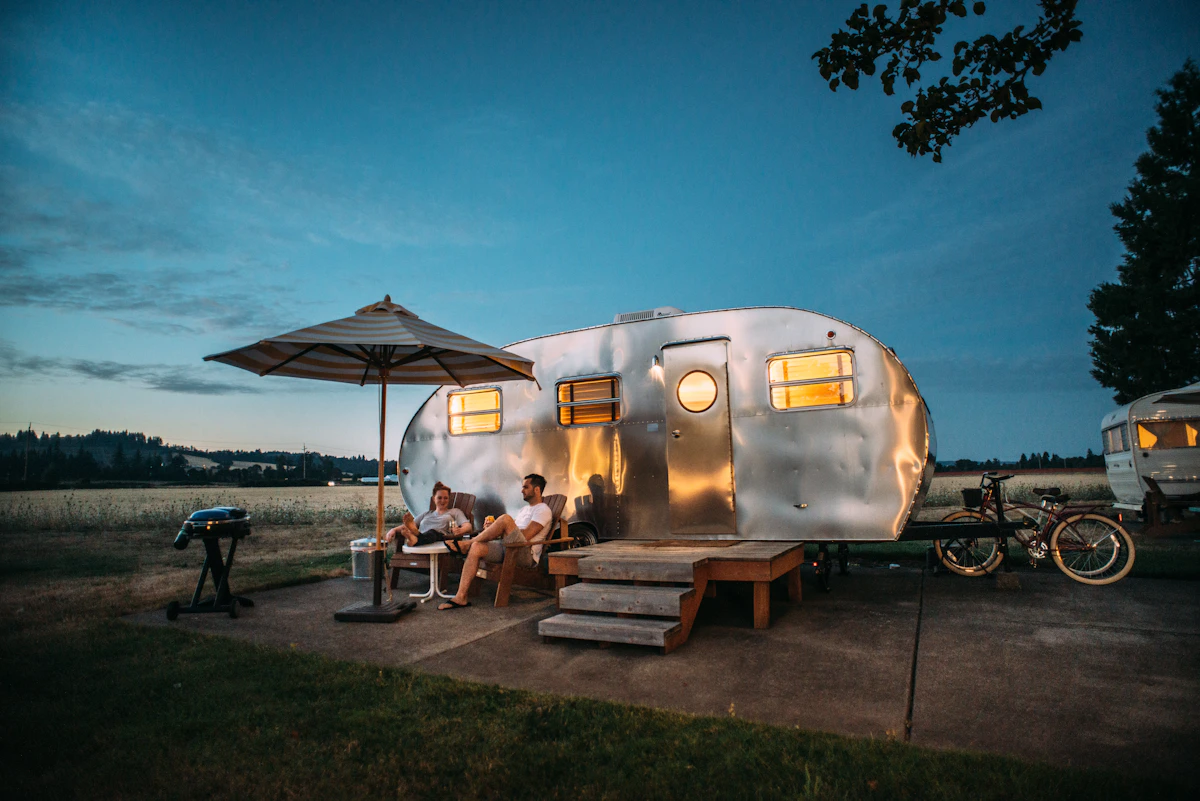
A premium camp kitchen feels simple because every item has a role. Start with heat, cookware, cold storage, water, prep space, and comfortable seating before adding specialty accessories.
Choose a compact single burner for coffee and quick meals, or a two-burner setup when you need stable heat for family meals and larger cookware.
Look for nested pots, a durable skillet, heat-safe utensils, cutting tools, and a simple serving set that can handle repeated outdoor use.
Use cooler space for the meals that need the most protection first. Pack drinks separately when possible to reduce frequent opening.
Carry enough water for drinking, food preparation, dish rinsing, and hand washing. A dedicated spout container makes camp flow smoother.
A folding table turns loose gear into a real workstation. Keep your stove, knife work, and serving area organized with clear zones.
Comfortable seating keeps the group gathered after cooking is done. Place chairs away from flame, fuel, and active prep surfaces.

The easiest campsite meals come from a clear layout. Build the kitchen like a small outdoor room with separate areas for prep, cooking, serving, and cleanup.
Place cutting boards, dry food, utensils, spices, and cookware on a clean table surface before lighting the stove.
Set the stove on flat ground or a stable table, protect it from wind, and keep fuel away from the cooking surface.
Store coolers in shade when possible and open them only when needed to protect chilled food and ice retention.
Keep soap, rinse water, trash bags, towels, and hand washing supplies close enough to use immediately after cooking.
Organize by task instead of packing everything into one mixed bin. This keeps breakfast, dinner, drinks, fuel, and cleanup easier to find at camp.

Great camp meals are not always complicated. The best menu is one that matches your cooking surface, storage capacity, cleanup time, and the pace of the trip.
A weekend car-camping kitchen needs a different setup than a compact travel kit. Let your group size, food style, weather, and storage space decide the final equipment list.

Use these answers as a starting point when planning your first camp kitchen or refining an existing setup.
Start with a safe cooking source, basic cookware, water storage, a cooler, a cleanup kit, and a stable surface. Add chairs, lighting, and specialty tools after the core system works well.
A single-burner stove can work for coffee, simple breakfasts, and one-pot meals. Choose a two-burner stove if you often cook for multiple people or want to prepare two items at once.
Keep chilled food in a cooler, dry food in a sealed box, and snacks in a separate easy-access container. Label meal groups so you are not opening every bin before each meal.
Place the stove on a flat, stable surface away from tents, seating, loose fabric, dry grass, and fuel storage. Keep the cooking area supervised whenever heat is active.
Plan water for drinking, cooking, washing hands, rinsing dishes, and emergency use. A dedicated water container with a spout makes meal prep and cleanup much easier.
Cook one-pan meals, prep ingredients at home, line up your wash station before dinner, and keep trash bags ready. The best cleanup starts before the first ingredient hits the pan.
The right camp kitchen is not the largest one. It is the setup that helps you cook safely, store food properly, clean quickly, and enjoy the quiet parts of being outside.
